
Spring Academy Sustainability 2027: How can we create a resilient energy system?

The Spring Academy Sustainability at KIT, taking place form 15-18 March 2027, will focus on the question: How can we create a resilient energy system?
How can we decide today what to do when no one knows what tomorrow’s energy system will look like? This project week explores the uncertainties and conflicting goals that shape our energy future - from future technologies like fusion to geopolitical dependencies, and on to questions of system integration and societal acceptance. Together, we’ll examine how different disciplines assess these uncertainties in different ways and what that means for designing a resilient energy system.
The project week is organized by General Studies. Forum Science and Society (FORUM) in cooperation with the KIT Energy Center.
Through a public keynote, a thematic exhibition, a wide range of workshops and excursions, and a final panel discussion, participants will explore the various dimensions of a resilient energy system. The program offers opportunities to engage critically with key debates and to actively examine the challenges and potentials of the topic.
The Spring Academy is aimed at all students interested in sustainable development and offers the opportunity to establish links between science, technology, and society, as well as to gain new perspectives on their own field of study.
From 15 October 2026, you can pre-register here without obligation. You will then receive an automatic notification as soon as binding registration for all programme items (workshop, excursion) opens in January 2027.
Active participation in all elements, including workshops and group discussions, and the submission of a short final report or project can be credited with 2–4 ECTS.
Please note: The Spring Academy Sustainability will take place in person at the Karlsruhe Institute of Technology (KIT) and other venues in Karlsruhe, Germany.
The opening keynote and closing panel will be held in German (with a live written translation on site via the ‘Lecture Translator’), while workshops and excursions are available in English. Final reports and projects may also be submitted in English.

Kick-off & Registration
Participation in all Spring Academy programme items is required in order to receive credit points. Attendance at the keynote on Monday, March 18, 2027, as well as at the panel discussion on Thursday, March 18, 2027, must be registered at the information desk in the InformatiKOM.
The Spring Academy Sustainability will officially begin with a kick-off event at the InformatiKOM on Monday, 15 March, 2027. Please arrive by 5 p.m. at the latest to register for the keynote speech in the InformatiKOM atrium.
At 5:15 p.m., you will receive important information about the project week schedule and will have the opportunity to ask any questions you may have.
When: Monday, March 15, 2027, 5:00–5:45 p.m.
Where: InformatiKOM, Building 50.19, KIT Campus South, Adenauerring 12
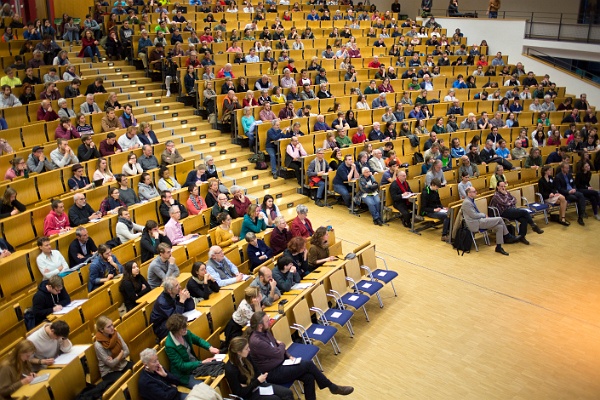
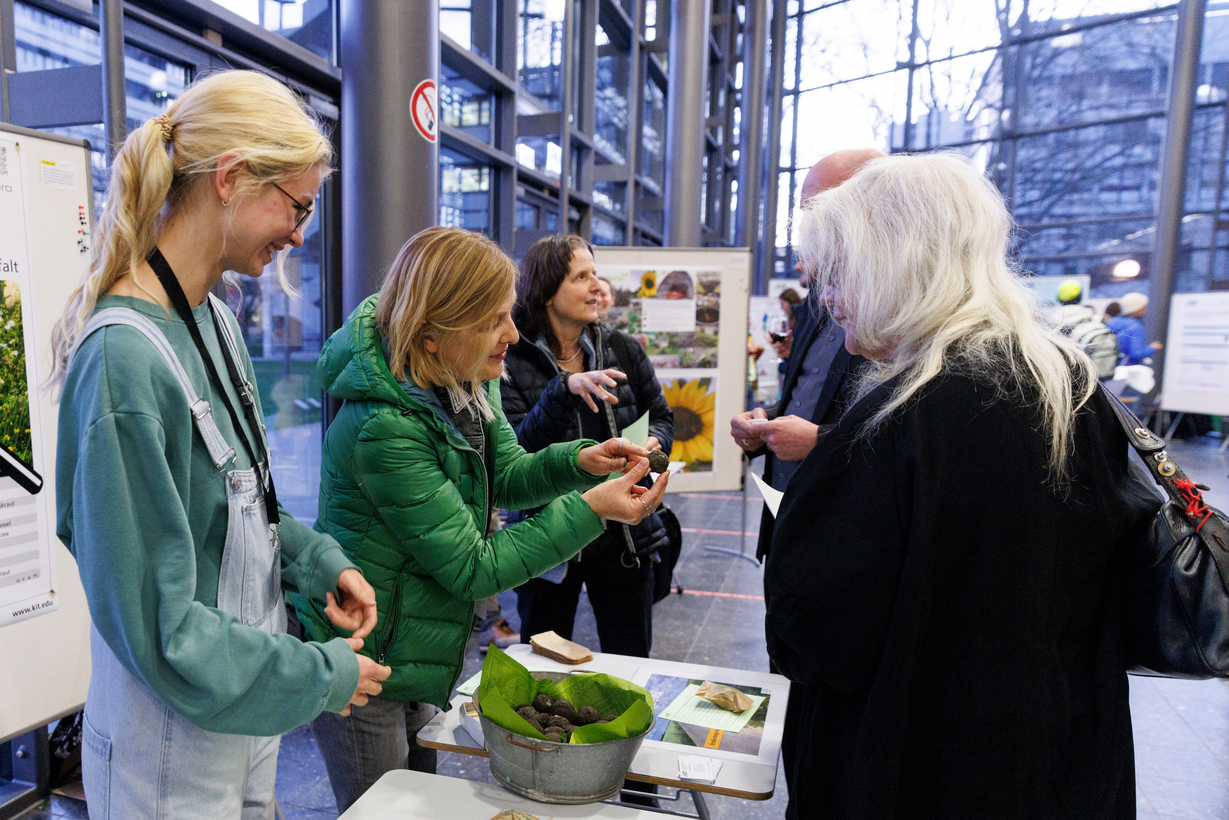

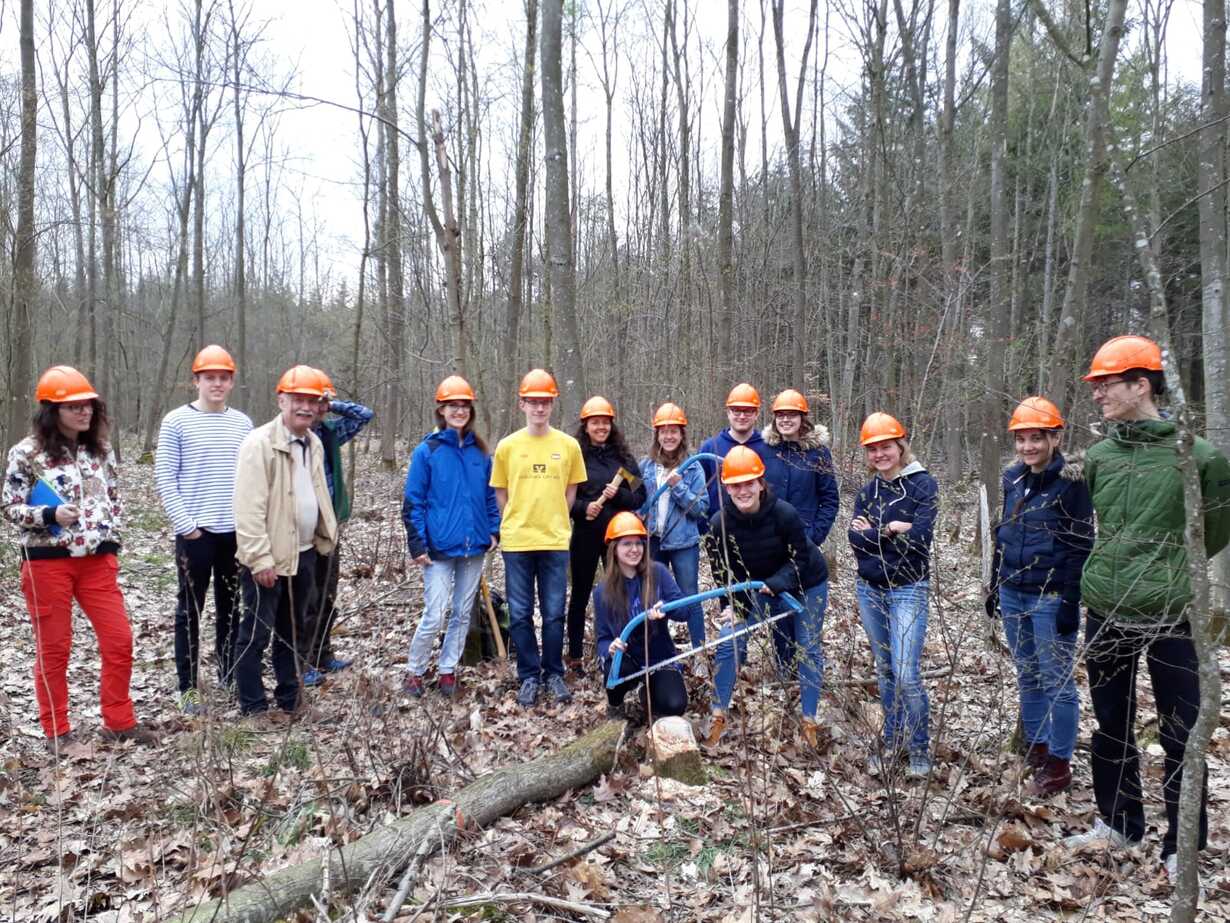
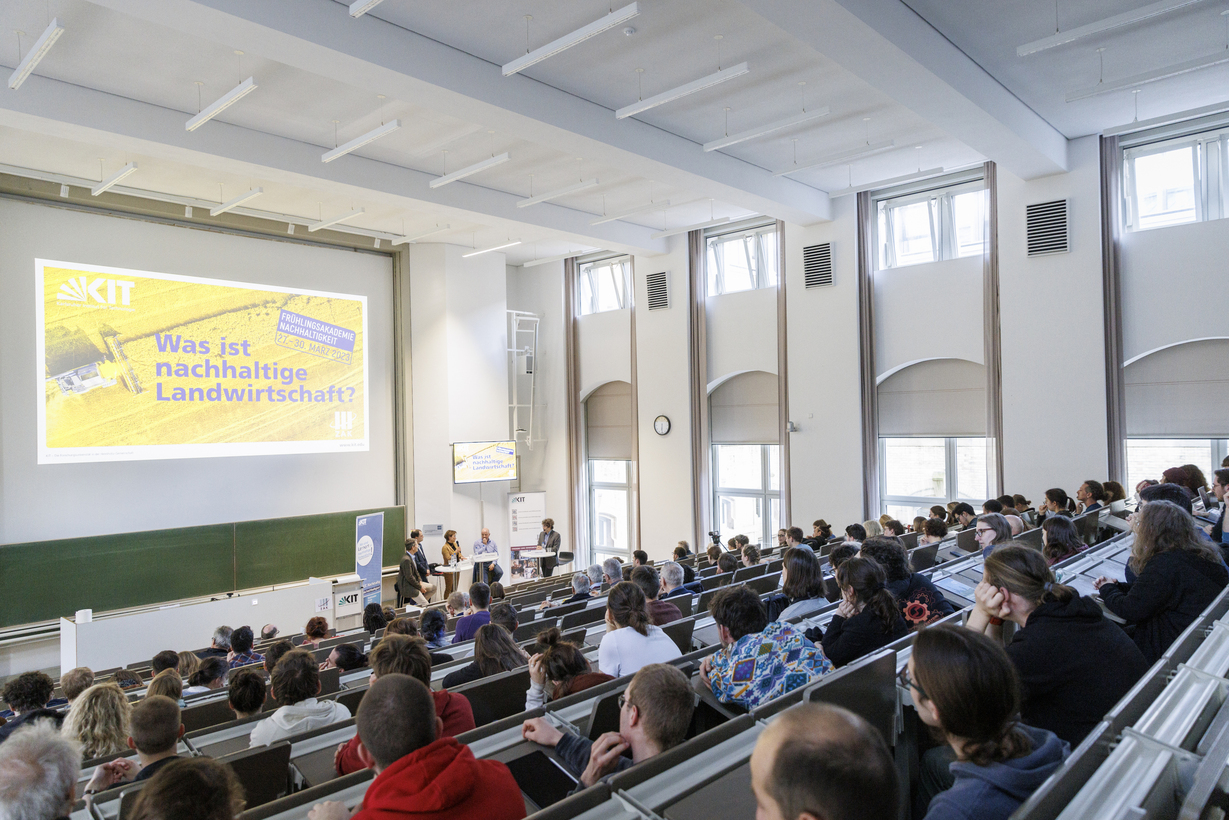

The FORUM is a central scientific unit at KIT. The central theme is the dialogue between science and society.
MoreDie Spring Acadamey Sustainability 2027 is being held in cooperation with the KIT Energy Center.
With 1,800 researchers and technical staff, the KIT Energy Centre is one of the largest energy research centres in Europe. It brings together the energy research work of KIT and renowned cooperation partners. In doing so, it transcends disciplinary boundaries and combines basic and applied research on all relevant energies for industry, households, services, and mobility.
More